Qolla l-Bajda Battery

Qolla l-Bajda Battery

Qolla l-Bajda Battery

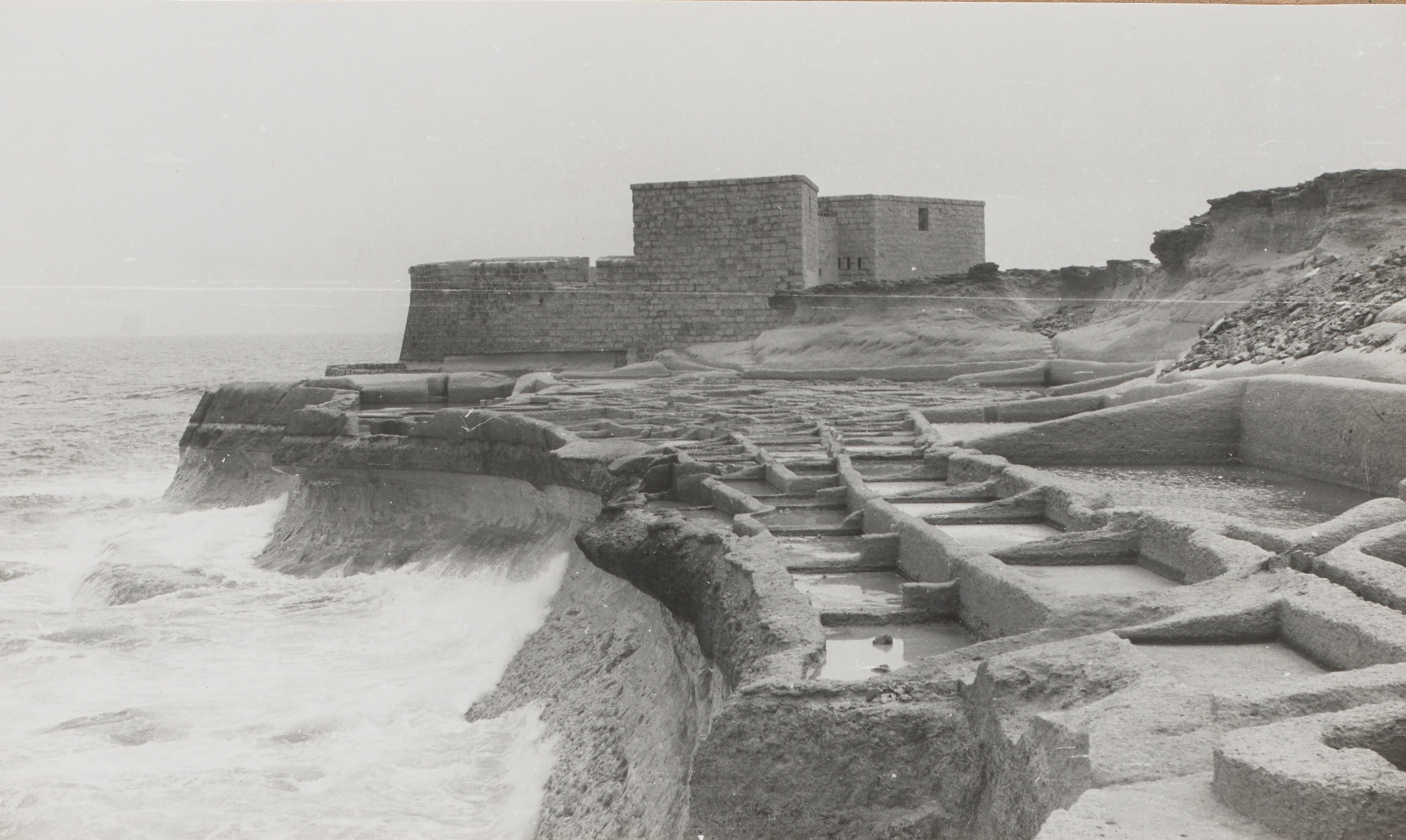
Standing close to the Xwejni Salt Pans, the Qolla l-Bajda Battery (also known as Qbajjar Battery) has watched over this stretch of coastline for more than three centuries.
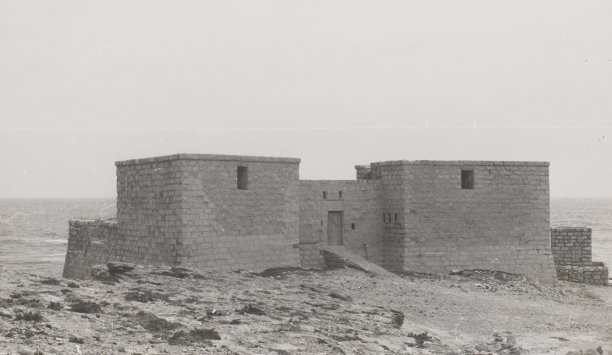
Built between 1715 and 1716, the battery formed part of a wider coastal defence system introduced by the Order of St John to protect Malta and Gozo from attacks by sea. The plans were drawn up by the French military engineers Jacques de Camus d’Arginy and Bernard de Fontet, and the structure was built at a cost of 823 scudi.
Its semi-circular gun platform rises above the sea, while the surrounding ditch is often filled with seawater driven in by the waves below. On the landward side stand two elevated rooms with openings for musketry, designed to defend the battery from attacks coming from inland. Like many coastal fortifications of the period, the main entrance was not located at ground level but on the first floor, originally reached by steps and a drawbridge.
By 1770, the battery was armed with four 6-pounder iron cannons and included a gunpowder store. During the French blockade of 1798–1800, batteries such as this one formed part of the island’s defensive network at a time of great unrest across the Maltese Islands.
The structure was later reused during the Second World War as Observation Post No. 5, continuing its long connection with the defence of Gozo’s northern coast.
Locality
Locality
Source(s)
Source(s)
The Courtauld, Conway Library Collection (CC BY-NC 4.0) – Box: CON_B03459 / Gozo

Photo Location

Favourites


No photos in your favourites repository.
Please click on the 'Add to favourites ' icon - when available - to add photos.
Note: Your favourites repository has a limit of 21 photos that are stored on this browser only. For instructions on how to delete this information, please click here.